If you've been Googling "things to do in Altea Spain" and wondering whether this small whitewashed town on the Costa Blanca is worth your time — let me save you the deliberation: it absolutely is. I've lived on the Costa Blanca for a decade, and Altea remains one of those places I recommend to everyone without hesitation. It has the soul that Benidorm traded away years ago, and the beauty that Calpe is slowly losing to overdevelopment. May is, frankly, one of the best months to be here — the crowds haven't arrived yet, the sea temperature is climbing towards 22°C, the bougainvillea is exploding in every shade of magenta, and the light is that particular golden-hour quality that makes photographers weep with joy.
Whether you're planning a romantic break, a family holiday, or a solo escape, here's your honest, no-fluff guide to getting the most out of Altea.
Wander the Old Town (Casc Antic) — Don't Rush This
The old town of Altea, perched on a hill overlooking the Mediterranean, is the undisputed heart of the place. Those cobbled lanes, the blinding white walls, the blue-domed church of Nuestra Señora del Consuelo — it looks almost too perfect, like a film set, except it's entirely real and has been here for centuries.
JV Properties
Looking for accommodation in Altea?
Book direct with JV Properties and save up to 18% vs Airbnb. No commissions, personal service.
Find rentals →My advice: go early morning (before 10am) or late afternoon (after 5pm). The light is better, the tour groups haven't arrived, and you'll actually be able to sit at one of the small terraces on Plaza de la Iglesia with a coffee and absorb the panoramic view across the bay towards Benidorm's skyline in the distance — which, from here, actually looks quite dramatic rather than ugly.
Don't skip the small gallery streets. Altea has had an artists' colony since the 1960s, and you'll find genuinely interesting ceramic work, paintings, and sculpture in the tiny shops lining Calle Mayor and the surrounding alleys. Nothing feels forced or touristy — this is a real working arts community.
The Beaches: What Nobody Tells You
Altea's beaches are shingle and pebble, not sand. I'll be honest about that upfront because I've seen people arrive expecting Levante Beach and feel disappointed. But here's what the tourist websites don't say: pebble beaches mean cleaner water. The water around Altea is extraordinarily clear — on a calm May day you can see the bottom at 4 metres. Playa de la Roda is the main beach and has good facilities, sunbed hire, and a handful of solid chiringuitos (beach bars) where a beer and tapa will set you back about €3-4.
For something more wild, drive or cycle 10 minutes south to Playa del Albir, technically part of the Alfàs del Pi municipality but practically Altea's secret neighbour. The beach sits at the foot of the Serra Gelada Natural Park and is backed by pine trees. You can arrive by train — the TRAM (the little FGV coastal railway) stops at Albir, and it's a ten-minute walk. In May, you can comfortably swim here without a wetsuit.
North of town, Playa de Cap Negret is darker pebble and usually quieter — good for those who prefer fewer people and more dramatic scenery.
Hike the Serra Gelada Natural Park
This is perhaps the most underrated thing to do in the Altea area. The Serra Gelada is a protected headland that rises to 438 metres just south of Altea and north of Benidorm. The main trail runs along the clifftop and gives you views that are genuinely jaw-dropping — sheer drops to the sea on one side, the Altea bay and Puig Campana mountain behind you, Benidorm's towers ahead. It's dramatic in a way that very few short hikes in Spain can match.
The trailhead is in Albir. Park at the Faro de l'Albir lighthouse car park (free, but arrives early in May weekends). The return hike to the viewpoints takes about 2.5 to 3 hours at an easy pace. Bring water, sunscreen — even in May the midday sun is fierce — and proper shoes. The path is rocky in places.
Eat and Drink: The Honest Recommendations
Altea has a genuine food culture, not just tourist restaurants. A few places I return to again and again:
Oustau (Calle Conde Altea) — Provençal-influenced cuisine in a gorgeous old building in the old town. Not cheap, but worth it for a special dinner. Book ahead even in May.
La Costera (Calle de la Costera) — A long-established favourite in the old town. Traditional rice dishes, grilled fish, and the kind of service that makes you feel like a regular even on your first visit. Their arroz a banda is exceptional.
Chiringuito Noguera on Playa de la Roda — honest beach food, cold Estrella Damm, grilled dorada (sea bream) for around €12. Eat here at lunch when your feet are still full of sand.
For breakfast, head to any of the small cafés on the paseo marítimo (the seafront promenade) rather than the old town — better value, more locals, and you can watch the fishing boats come in.
The Altea Market and Cultural Calendar
Altea has one of the better weekly markets on the Costa Blanca. The Tuesday market near the seafront (Avenida de la Paz area) is a proper mix of local produce, ceramics, clothing, and artisan goods — not the usual tourist tat. In May, it's busier than winter but not overwhelmed. Go before noon.
In late May and June, Altea hosts various cultural events as part of its arts festival season. The Altea Jazz & Blues Festival (usually June, but warm-up events in late May) draws serious musicians and a genuinely enthusiastic local crowd. Check the Ajuntament d'Altea website for the current programme.
Day Trips from Altea
Altea's location on the Costa Blanca is genuinely excellent for exploring. Calpe and its famous Peñón de Ifach rock is 20 minutes north by car — hike to the top for one of the most spectacular views on the Spanish coast. Guadalest, the mountain village perched impossibly on a rock spike, is 30 minutes inland and absolutely worth a half-day. Benidorm is 15 minutes south if you want a waterpark, a proper sandy beach, or a big night out — and there's nothing wrong with that.
The TRAM coastal railway connects Altea to Benidorm (south) and Calpe, Altea, and Denia (north) — it's cheap, scenic, and means you don't need a car for coastal hops.
Where to Stay in Altea
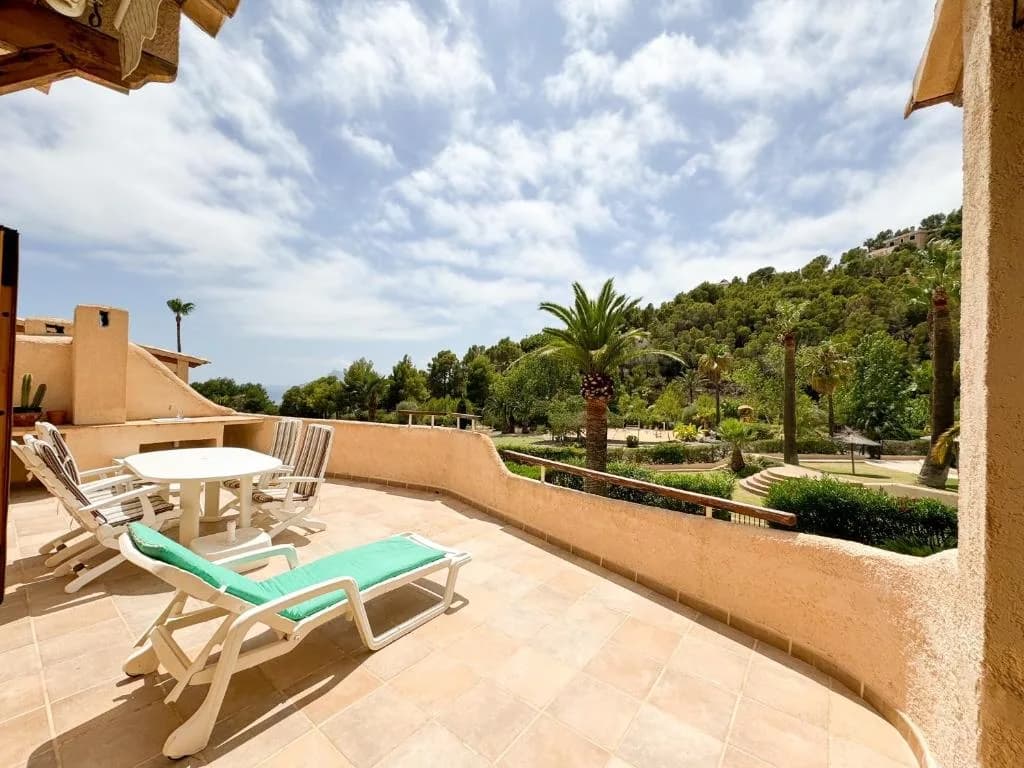
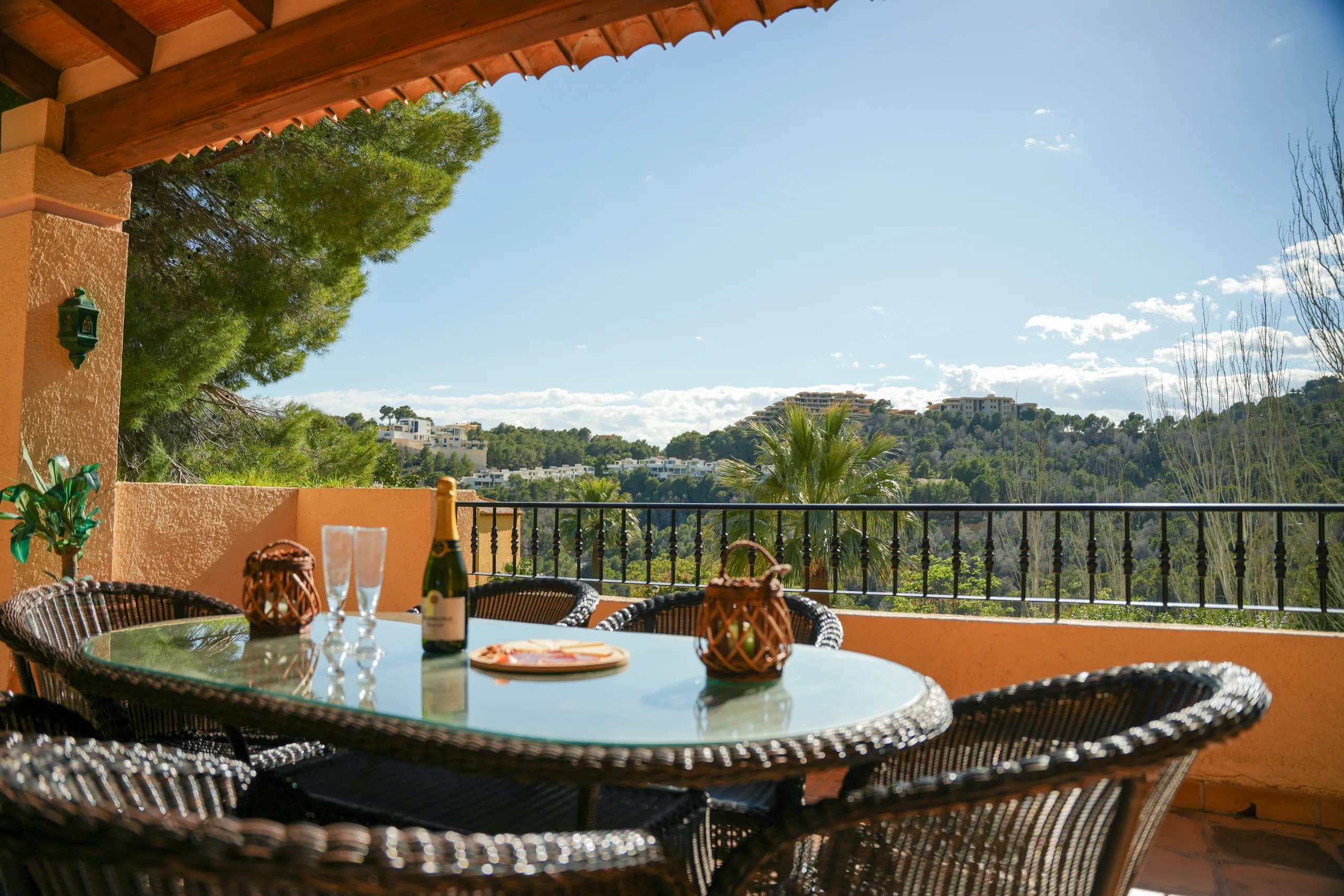
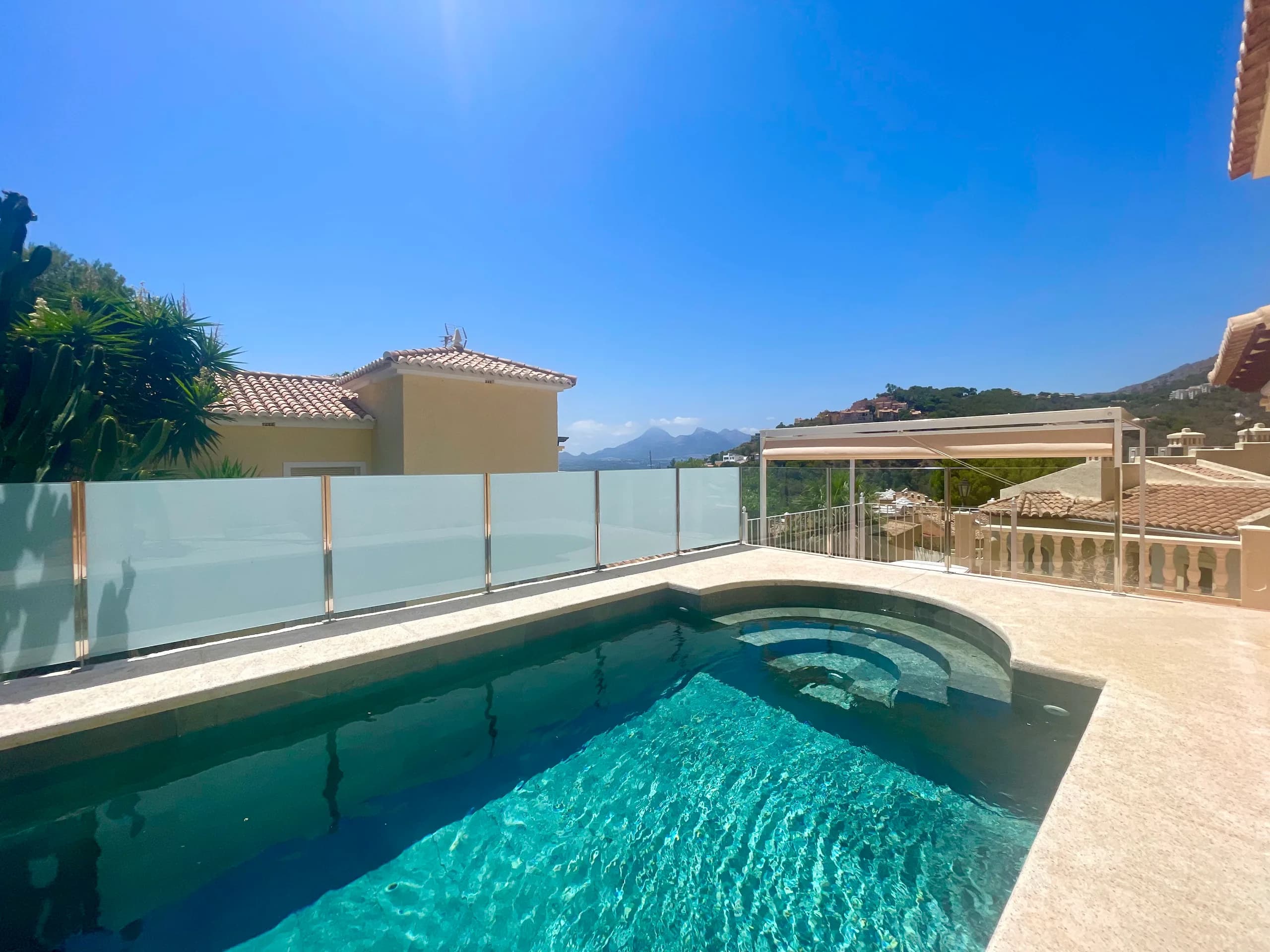
Stay in a holiday rental and you'll get far more from Altea than any hotel can offer. A private apartment or villa means a terrace for evening wine, a kitchen to bring market produce back to, and the feeling of actually living here rather than just passing through. Browse holiday rentals in Altea and you'll find everything from restored old-town houses to modern apartments with sea views on the lower slopes.
One thing worth knowing: booking direct with JV Properties saves you up to 18% compared to the same property on Airbnb or Booking.com. That's a meaningful saving — enough for several very good dinners at La Costera. There are no hidden platform fees, you deal with humans who actually know the area, and any questions about the property, the town, or what's on in May get answered by people who live here.
Getting to Altea
Flying into Alicante (ALC) is the obvious choice — it's 75km south and about 50 minutes by car on the AP-7 motorway. Valencia Airport (VLC) is 150km north. Car hire from Alicante is easy and cheap in May (avoid the peak July-August surge pricing). There's also a direct bus service (ALSA) from Alicante bus station to Altea that takes around 1h15m and runs several times daily.
Altea town centre is walkable once you're here, but a car is genuinely useful for reaching the beaches, the Serra Gelada trailhead, and day trips inland.
Final Thought
Altea isn't trying to be anything other than what it is — a genuinely beautiful, culturally alive small town on one of the most scenic stretches of Spanish coastline. May is a sweet spot: warm, mostly sunny, uncrowded, affordable. If you're looking for a Costa Blanca base that won't feel like every other package-holiday town, this is it.
See available holiday rentals in Altea and check availability for your dates — and remember, booking direct means more money stays in your holiday budget where it belongs.