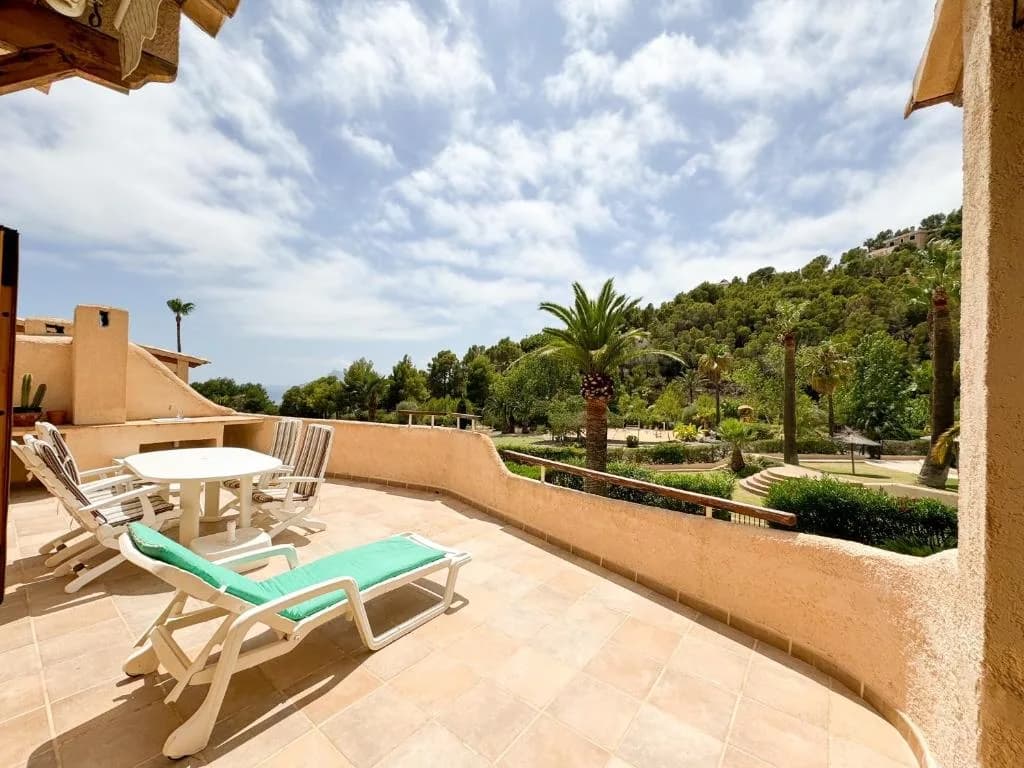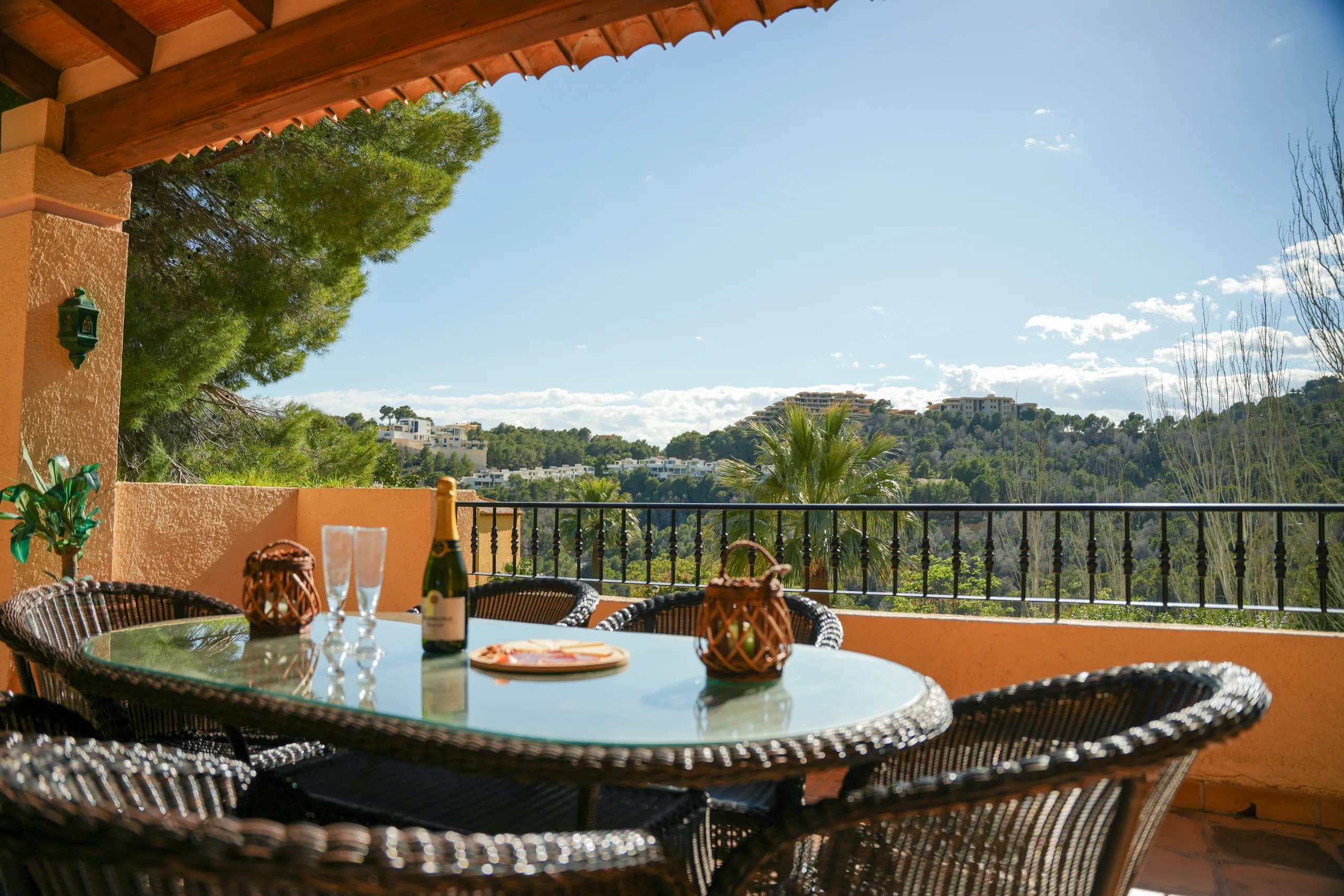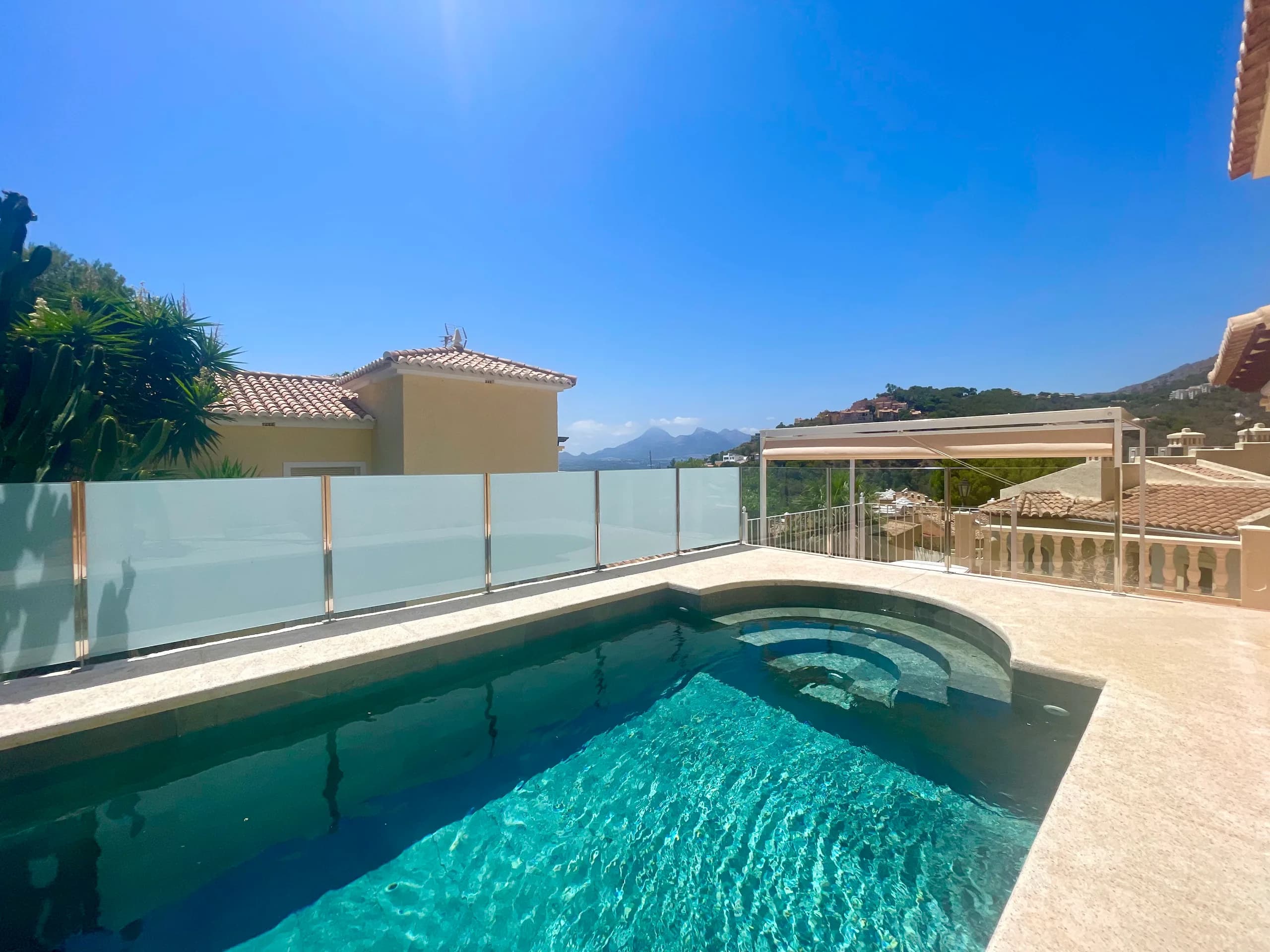

After ten years living on the Costa Blanca, I've watched countless holiday-makers arrive in Altea flustered — circling the old town hunting for parking, or stranded at Alicante airport with no idea how to reach this beautiful little seaside town. This guide is everything I wish someone had handed me on day one. Whether you're flying in, driving down from northern Europe, or hopping on a train from Valencia, getting to Altea is straightforward once you know the options.
Which Airport Should You Use for Altea?
Altea sits roughly halfway between two international airports, which is genuinely handy.
Alicante-Elche Airport (ALC) is the most popular choice. It's around 75 km south of Altea — expect about 55 minutes by car on the AP-7 motorway (toll: approximately €6–8). In high summer, budget a little more time. Most major low-cost carriers fly here from across the UK, Germany, the Netherlands, and Scandinavia, making it the obvious pick for most visitors.
JV Properties
Looking for accommodation in Altea?
Book direct with JV Properties and save up to 18% vs Airbnb. No commissions, personal service.
Find rentals →Valencia Airport (VLC) sits approximately 120 km north, around 90 minutes by car. If you're getting a particularly cheap flight, or flying in from somewhere that only connects to Valencia, it's a perfectly viable option — especially if you plan to spend a day in Valencia itself on the way down.
My honest recommendation: fly into Alicante if you can. The taxi and transfer options are better, the journey is shorter, and you'll be sipping a cold cerveza in the old town within an hour of landing.
Car Hire vs. Pre-Booked Transfer
For most families and couples, hiring a car is the smartest choice for an Altea holiday. The town itself is very walkable, but a car unlocks the whole of the Costa Blanca — Guadalest reservoir, the salt lakes at Santa Pola, the Peñón de Ifach in Calpe — all within 30–40 minutes.
Book your car hire early (June onwards gets busy). Europcar, Avis, and Enterprise all have desks at Alicante airport, and I've had good experiences with the local company Goldcar too — just read the insurance terms carefully.
Pre-booked private transfers make excellent sense if you have a big group, lots of luggage, or simply don't want to drive. Companies like TaxiNorte and various Costa Blanca transfer specialists offer door-to-door service for around €80–120 one way from Alicante, split between 4–6 people that's very competitive.
Avoid the standard taxi rank at Alicante airport for the Altea run — it can cost €100–130, and you're at the mercy of a meter on a long journey.
Getting to Altea by Train
Here's a secret that not enough visitors know: Altea has its own train station on the charming FGV (Ferrocarrils de la Generalitat Valenciana) narrow-gauge railway — locally known as the TRAM or the "tren de la Marina". This line runs from Dénia in the north all the way down to Alicante city centre, hugging the coastline for much of the route.
From Alicante, the journey takes around 1 hour 45 minutes and costs just €4–6. It's slow by intercity standards, but the views of the sea, the white villages, and the Montgó mountain are genuinely spectacular. I sometimes take it just for pleasure.
Practical TRAM tips: - Altea station is in the lower part of town, about a 15-minute walk (or short taxi) from the old town - Trains run roughly every 30–60 minutes depending on the time of day - You can buy tickets at the station or via the FGV app - Bikes are permitted in off-peak hours — great if you're cycling the coast
If you're arriving from Valencia by national rail (Renfe), take the train to Benidorm or Villajoyosa and connect to the TRAM, or change at Alicante and take the TRAM from there.
Parking in Altea: The Honest Truth
I'm not going to sugarcoat this: parking in Altea in summer is genuinely challenging, particularly in July and August. The old town is essentially car-free, and the streets around it are narrow and unforgiving. But there are solutions if you know where to look.
Parking Altea La Vella (Blue Zone, street parking): In the lower town and along the N-332 coastal road, you'll find blue-zone metered parking. It's usually available in the morning (arrive before 10:00) and costs around €1–1.50 per hour. Maximum stay is typically 2 hours.
Parking El Portet: Near the marina and beach area, this is your best bet for a half-day visit. There's a surface car park that fills quickly in summer — again, early arrival is key.
Calle de la Mar and surrounding streets: Residential areas slightly back from the seafront sometimes have free parking, but it requires patience and local knowledge. Walk five minutes further than everyone else.
Park-and-walk strategy: My personal favourite approach is to park in the free area near the old football ground off Avenida del Mediterráneo, then walk up to the old town. It's about 10–12 minutes uphill and you avoid the stress completely.
If you're staying in a holiday rental: many apartments and villas in Altea come with private parking or a dedicated garage space. When you browse Altea holiday rentals, filter for properties with parking — in June, July and August, this single feature can save hours of frustration.
Getting Around Altea Once You're There
On foot: The old town (Casco Antiguo) is best explored entirely on foot. Wear comfortable shoes — those cobbles are beautiful but uneven.
Local buses: The ALSA and VECTALIA bus networks connect Altea with Calpe, Benidorm, and Altea La Nova. Useful for day trips without the car.
Taxi: There's a reliable local taxi rank on Avenida del Mediterráneo. Taxis to Calpe cost around €15–20, to Benidorm around €20–25.
Electric bike hire: Increasingly available in Altea, electric bikes are a fantastic way to explore the coastal path (the Senda Litoral) and the quieter roads around Cap Negret and Mascarat.
Driving to Altea from Northern Europe
For many German, Dutch, Belgian and British visitors, driving is a genuine option — particularly for longer stays. The most common route from the UK or northern Europe crosses France and enters Spain via the AP-7 motorway. From Calais it's roughly 1,700 km; most drivers split it across two days, stopping around Lyon or Barcelona.
The AP-7 (autopista) runs right past Altea. Exit at junction 64 (Altea / La Nucía) and you're in town within five minutes.
Toll costs: Budget approximately €60–80 in French and Spanish tolls from the Spanish border depending on your route. Carry a credit card as most booths are now cashless.
Book Your Stay and Save Up to 18%
Now that you've got the logistics sorted, the best part: choosing where to stay. Booking your Altea villa or apartment directly through JV Properties typically saves you up to 18% compared to Airbnb or Booking.com — because there are no platform fees swallowed in the middle. That's a meaningful saving on a week's holiday, often equivalent to a family dinner out or a boat trip around the coast.
Browse our available Altea properties and book direct for the best price, flexible terms, and genuine local support from a team that actually lives here.
Any questions about getting to Altea? Drop us a message — after a decade here, I've answered most of them before.