
After ten years living on the Costa Blanca, I've eaten my way through Altea more times than I can count — and I never get tired of it. This little town punches way above its weight when it comes to food. Whether you're after a cold glass of local wine watching the sun drop behind the Aitana mountains, or you want to understand why Valencian rice dishes are genuinely different from anything you'll find in a British Spanish restaurant, Altea is a brilliant place to eat well without spending a fortune.
This isn't a list of restaurants — we've already covered where to eat in Altea in detail elsewhere. This is a deep-dive into the food culture itself: what to order, what's seasonal in June, where to buy the best ingredients, and what to absolutely avoid.
The Staples: What Altea Actually Eats
Rice — and Not Just Paella
Let's get one thing straight: the Costa Blanca is not paella country in the way Valencia city is. But it has its own extraordinary rice tradition. In Altea, you'll find arroz a banda on almost every serious menu — rice cooked slowly in rich fish stock, served separately from the fish it was cooked with. The rice comes out glossy, deeply flavoured, almost risotto-like in texture but completely different in character. Order it at any of the restaurants along the Passeig de la Mar and ask for all-i-oli on the side. Non-negotiable.
JV Properties
Looking for accommodation in Altea?
Book direct with JV Properties and save up to 18% vs Airbnb. No commissions, personal service.
Find rentals →Arroz del senyoret ("gentleman's rice") is the peeled, prep-free version where the seafood is already shelled — perfect if you don't want to wrestle with prawns in polite company. And if you're visiting in June, look out for fideuà, the noodle-based cousin of paella that shows up at summer festivals and chiringuitos. It's better than it sounds.
Seafood From the Lonja
Altea has a working fishing port — the Lonja de Altea — and the catch comes in early morning. In June, you'll find red mullet (salmonete), octopus (pulpo), cuttlefish (sepia), and the incredibly sweet local gambas rojas (red prawns). If you want the freshest fish, head to the fish market itself on weekday mornings — it's not a tourist show, it's a real working market and you can sometimes buy direct.
The local way to eat salmonete is grilled simply with olive oil and sea salt. That's it. If a restaurant is adding more than that, they're hiding something.
Tapas That Actually Mean Something
Altea's tapas culture leans Valencian rather than Andalusian — you'll find less jamón and more fresh, vegetable-forward dishes. Look for:
- Esgarraet — salt cod and roasted red pepper salad with olive oil. Simple, stunning, and almost impossible to find outside the region.
- Coca de recapte — a flatbread topped with roasted vegetables, sometimes anchovies. The local bakeries in the old town do versions that will ruin supermarket bread for you forever.
- Clóchinas — small, intensely sweet Valencian mussels, steamed with white wine and eaten in June before the season ends. Don't confuse them with regular mejillones — they're smaller, more delicate, and only available in spring and early summer.
Drinking in Altea: Wine, Horchata & the Mistela Question
Local Wine
The Marina Alta DO — which covers the area around Altea and stretches north towards Dénia — produces wines from Moscatel grapes that are unlike anything from the rest of Spain. The whites are aromatic, slightly floral, and perfect with seafood. Look for bottles from Bodegas Xaló (just 20 minutes inland) — the cooperative there produces solid bottles at prices that would embarrass any supermarket.
Red wine drinkers should try something from the Alicante DO, particularly wines made from Monastrell (Mourvèdre) — deep, rich, and genuinely built for grilled meat and strong cheese.
Horchata — But the Real Kind
If you haven't had real horchata de chufa (tiger nut milk) from Valencia, don't make your first experience a carton from a petrol station. In Altea, a few cafés serve it properly chilled with fartons (the elongated sugary pastry you dip in). It's typically a morning or afternoon drink — refreshing, slightly nutty, and nothing like the horchata you might know from Mexico.
Mistela and Locally Made Liqueurs
Mistela is a sweet fortified wine made from Moscatel grapes — local and very much an acquired taste, but it's what grandmothers drink and it's what's served at village fiestas. Buy a small bottle from the market or a local shop. You either love it or use it for cooking (also excellent in sangria).
Buying Food in Altea: Where the Locals Shop
The Tuesday Market
Altea's weekly market on Tuesday mornings is legendary on the Costa Blanca. The food section — often overlooked by tourists who head straight for the clothes and ceramics — is outstanding in June. You'll find early figs, Valencian tomatoes (a revelation if you've only eaten supermarket ones), wild herbs, local honey, and homemade jams from inland villages.
Get there before 10am if you want the best produce. The stall run by an older couple near the vegetable section sells the most extraordinary sun-dried tomatoes and pickled capers — I've been buying from them for years.
The Mercado Municipal
The covered market near the town centre is open most mornings and is where locals actually buy their meat, fish and vegetables day-to-day. It's not picturesque, but the quality is excellent and the prices are honest. The fishmonger on the left as you enter almost always has the freshest catch from the Lonja.
June Food: What's in Season Right Now
June is one of the best months to eat in Altea. The summer heat hasn't fully arrived yet, restaurant terraces are open but not yet overwhelmed, and the seasonal produce is exceptional:
- Cherries from the Guadalest valley, just 30 minutes inland
- Apricots and early peaches from local orchards
- Clóchinas (as above — last chance before the season ends)
- Fresh almonds — still soft and milky, eaten green directly from the shell
- Zucchini flowers — stuffed and fried at a handful of restaurants that know what they're doing
If you're self-catering (and honestly, with a good kitchen in an Altea apartment or villa, half your meals will be at home — it's part of the joy), June is the month to shop local markets and cook simply. A plate of sliced Valencian tomatoes with good olive oil and a pinch of fleur de sel is not a compromise — it's one of the best things you'll eat all year.
Where to Stay to Eat Well
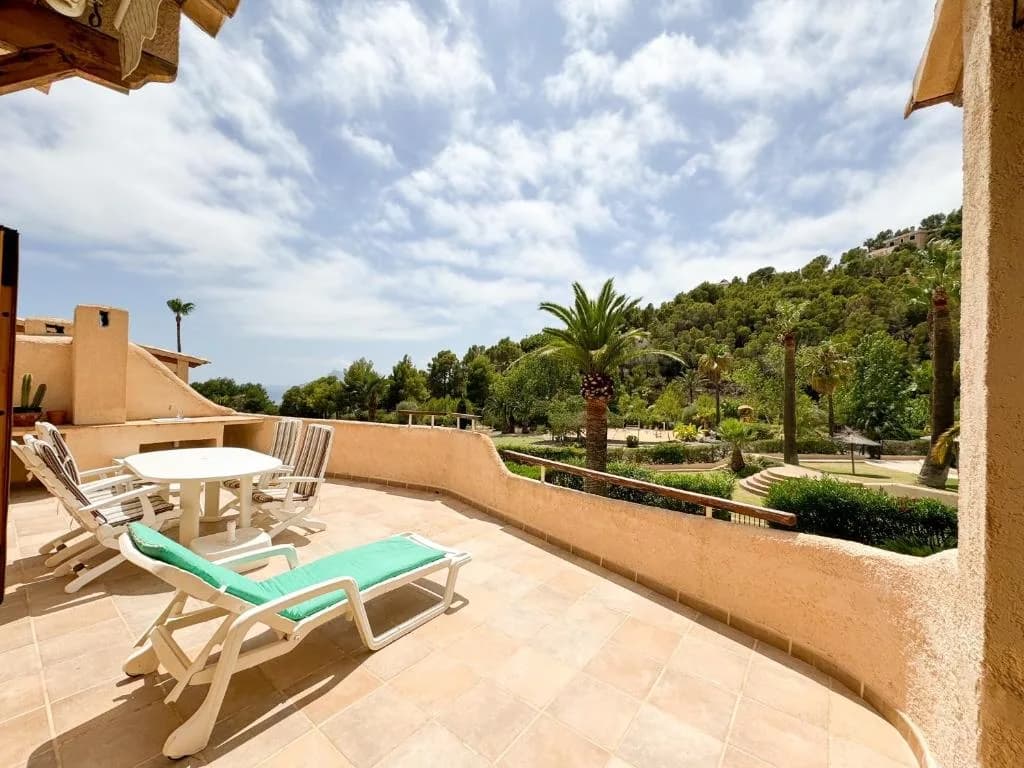
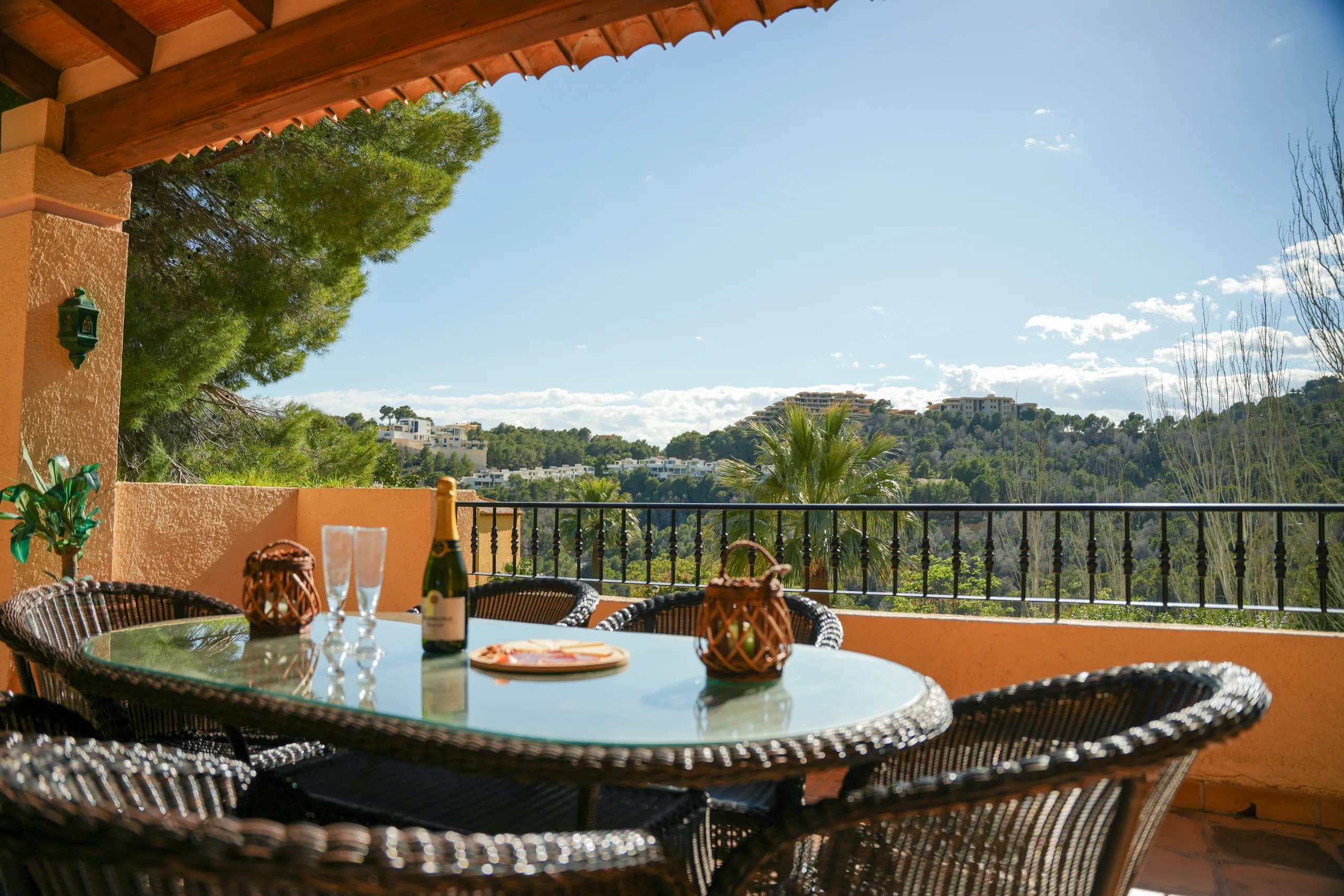
If food is a priority — and it should be — you want a base in or close to the old town, or within easy walking distance of the Passeig de la Mar. Self-catering gives you the flexibility to eat when you want, buy from markets, and not feel pressured into tourist menus.
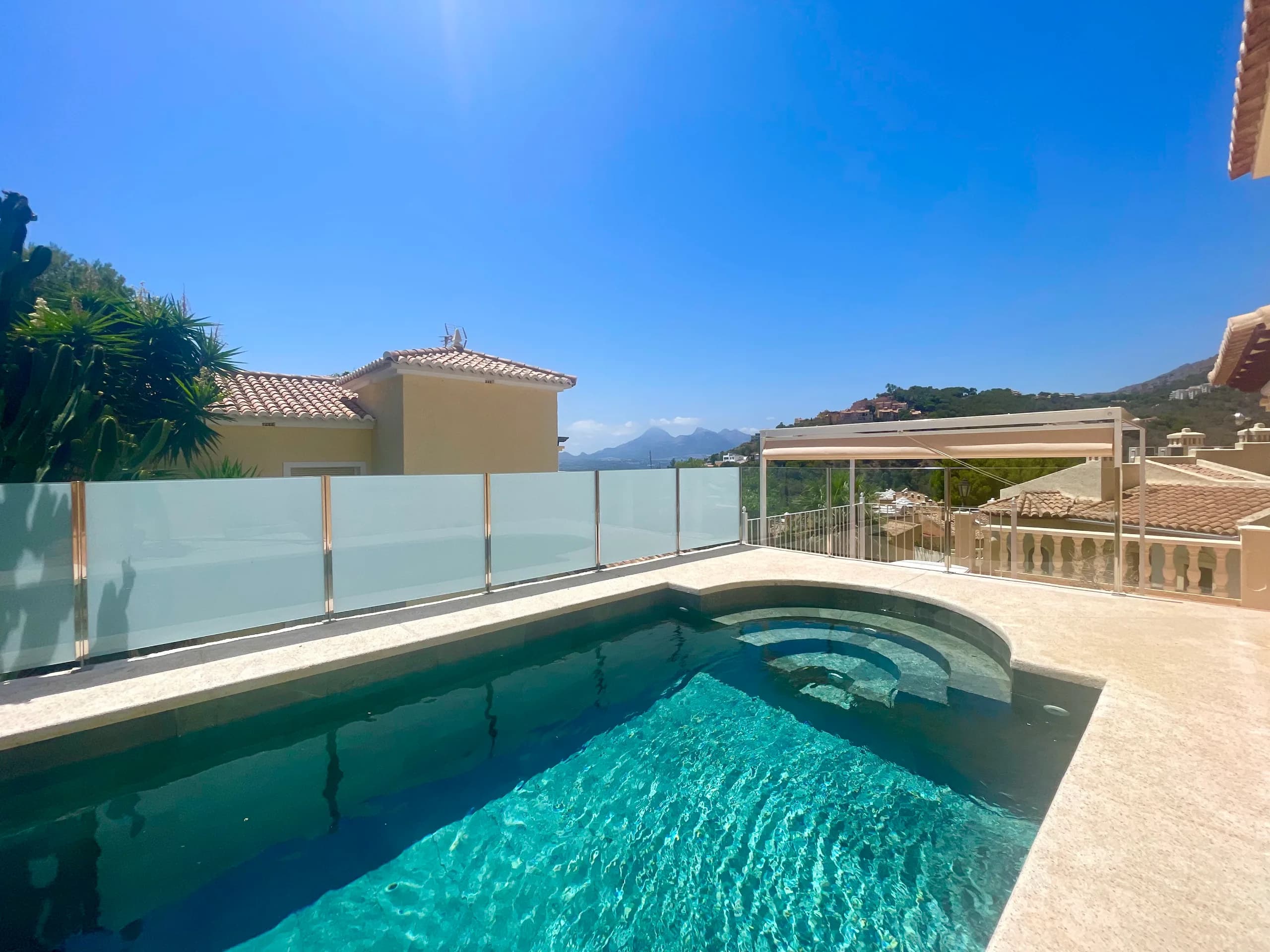
Browse our holiday rentals in Altea and view available properties for June and beyond. Booking directly through JV Properties saves you up to 18% compared to platforms like Airbnb — that's money better spent on a long lunch at the port.
A Few Honest Warnings
- Avoid restaurants with photos of paella on the menu boards near the old town steps. The real places don't need to do that.
- Don't skip the set lunch menu (menú del día). Even at very good restaurants, a three-course menú del día with wine costs €12–16 and is often the best value meal in Spain.
- Ask before ordering arroz a banda for one person. Most places require a minimum of two. It's meant to be shared.
Altea rewards the curious eater. Spend time here, ask questions, eat slowly, and come back hungry.